Cricket Selection: Complete Guide to Get Selected in Cricket
Cricket selection is the process through which players are chosen to represent teams at different levels—district, state, domestic, and national. For every aspiring cricketer, getting selected is a major step toward building a professional career and moving closer to playing at higher levels.
In a country like India, where competition is extremely high, selection is not just about talent. It requires consistent performance in matches, strong discipline in practice, good physical fitness, and the right mindset. Players also need to show dedication, confidence, and the ability to perform under pressure to stand out from others.
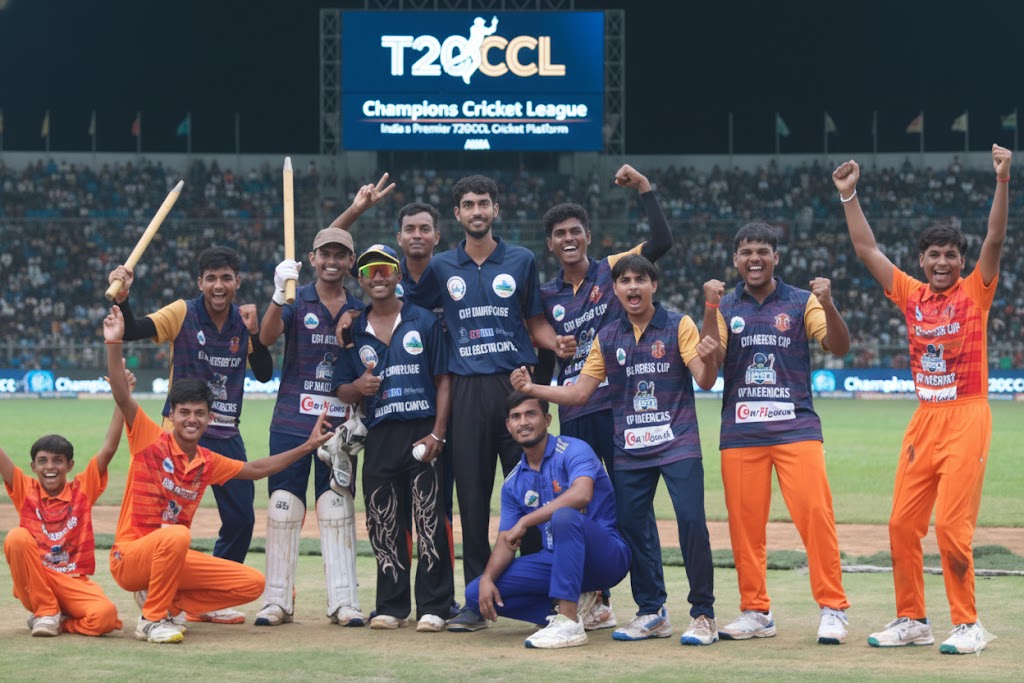
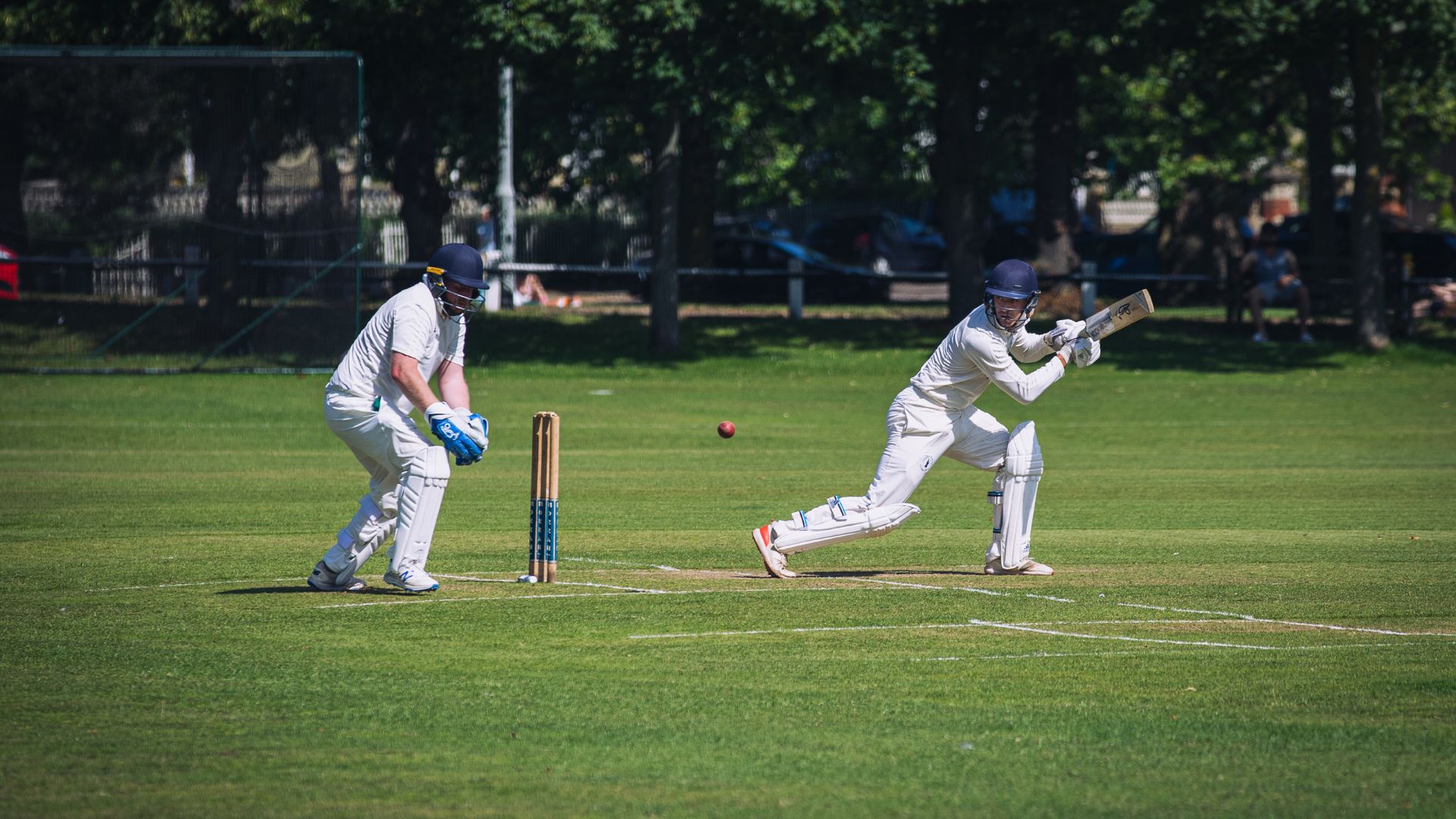
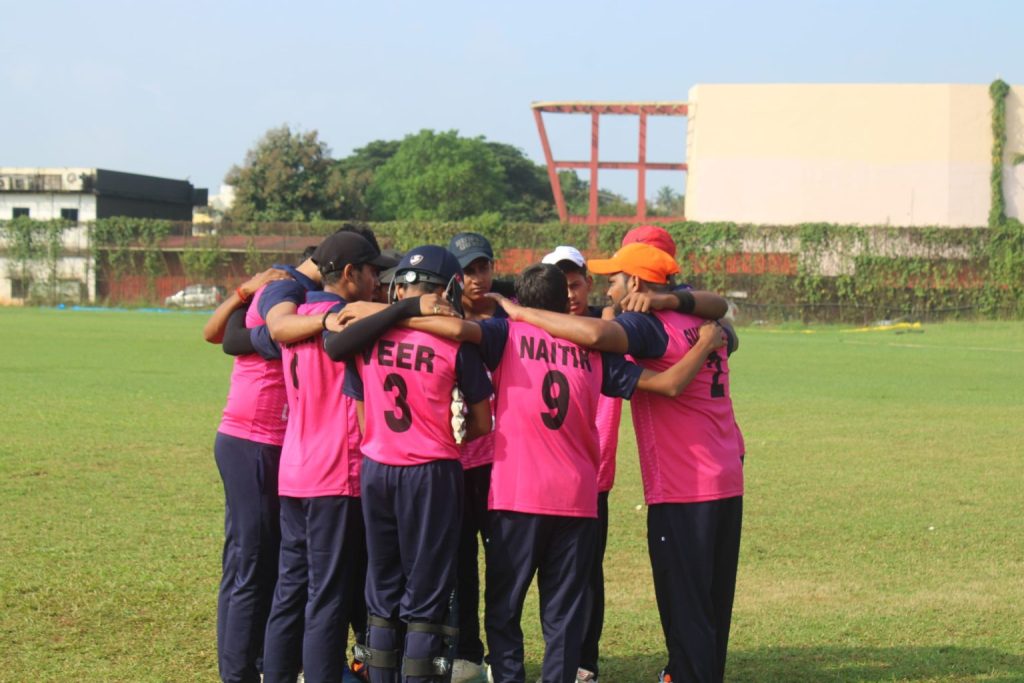
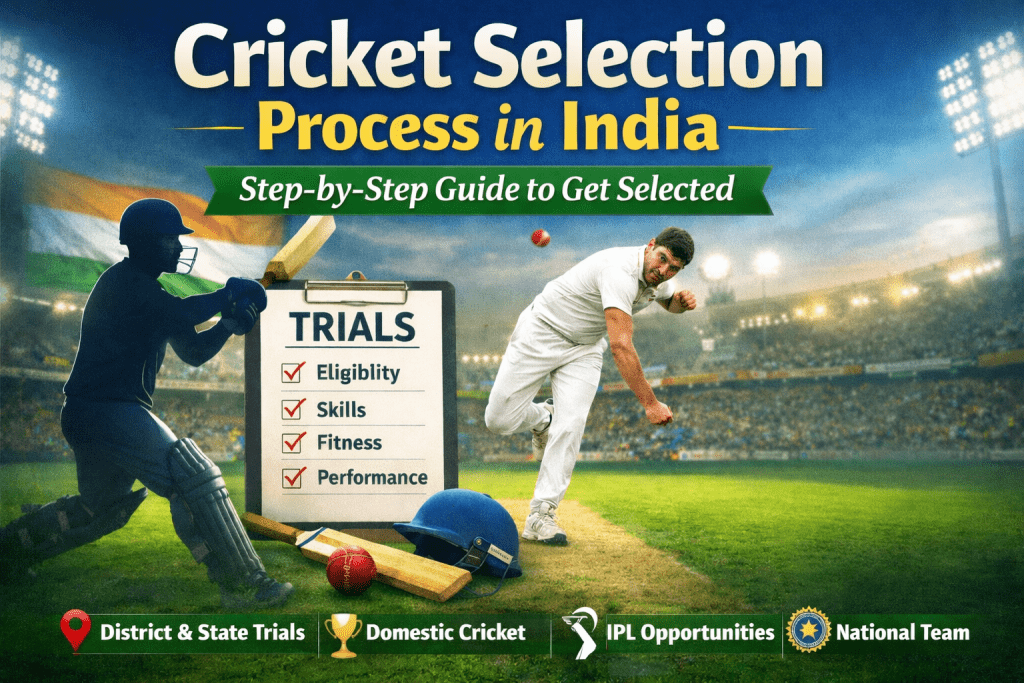
- School/Local Cricket: Start by playing in school teams or local clubs
- District Level: Perform well to get selected in district trials
- State Level: Play in U-16, U-19, or U-23 state teams
- Domestic Cricket: Compete in major tournaments
- National Team: Top performers get selected for India
Step-by-step Selection Process
Eligibility Criteria
Age Categories (U-16, U-19, upto 40 etc.)
Cricket selection is divided into different age groups such as Under-16, Under-19, Under-23, and senior level. Players must fall within the required age limit to participate in trials and tournaments. These categories ensure fair competition among players of similar age and experience.
Basic Cricket Skills Required
A player should have strong fundamental skills in batting, bowling, or fielding. This includes proper technique, shot selection, bowling accuracy, and fielding ability. Selectors look for players who have a solid foundation and can perform consistently during matches.
Fitness Level
Fitness plays a crucial role in modern cricket. Players must have good stamina, strength, and agility to perform well on the field. Regular fitness training helps improve performance and reduces the risk of injuries.
Match Experience
Playing matches is very important for selection. Experience in school, club, or district-level matches helps players gain confidence and improve decision-making under pressure. Selectors often prefer players who have proven themselves in real match situations.
How Cricket Trials Work
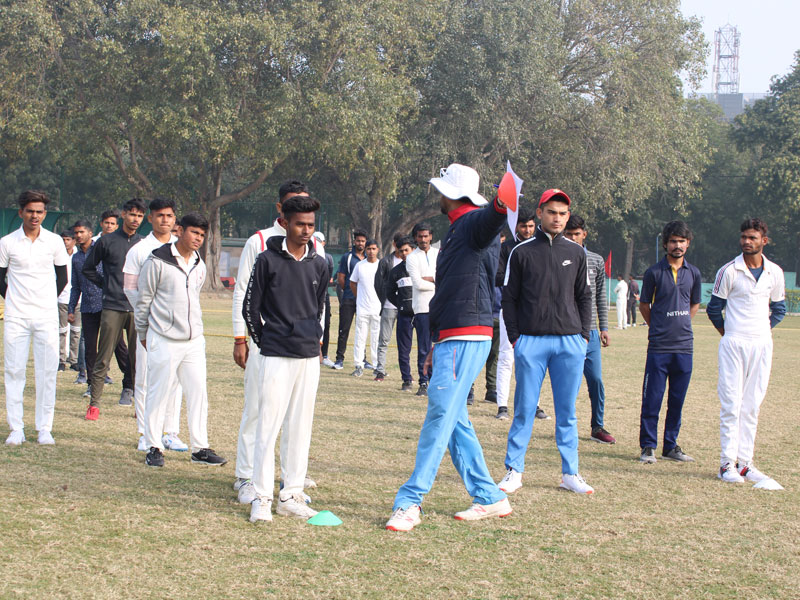
Cricket trials are conducted to evaluate players and select the best talent for teams. These trials are a crucial step in the selection process, as they give players an opportunity to showcase their skills, performance, and overall potential in front of selectors.
Players are asked to participate in nets or practice matches to demonstrate their abilities.
Coaches and selectors closely observe each player’s skills and gameplay.
Based on performance, a list of selected players is announced.
Skills Selectors Look For
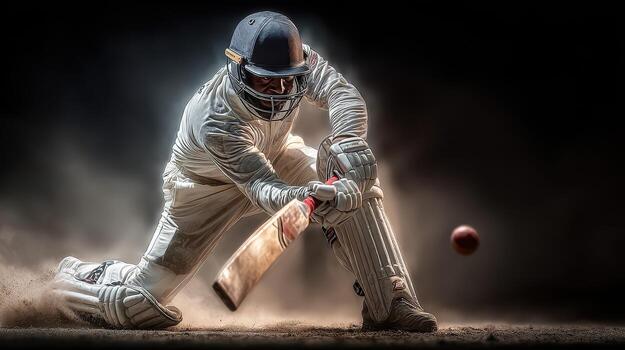
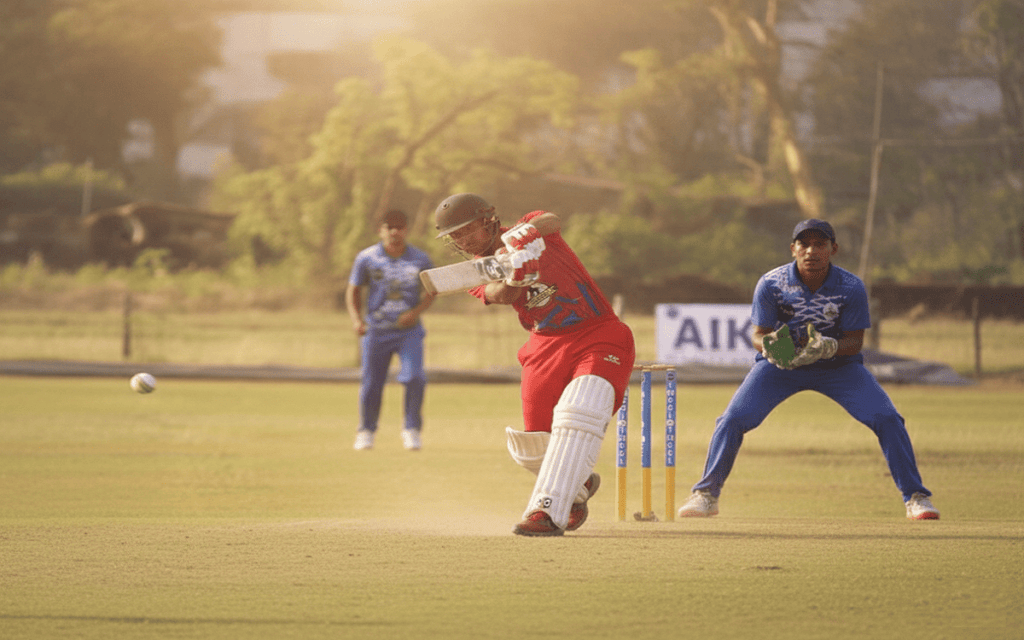
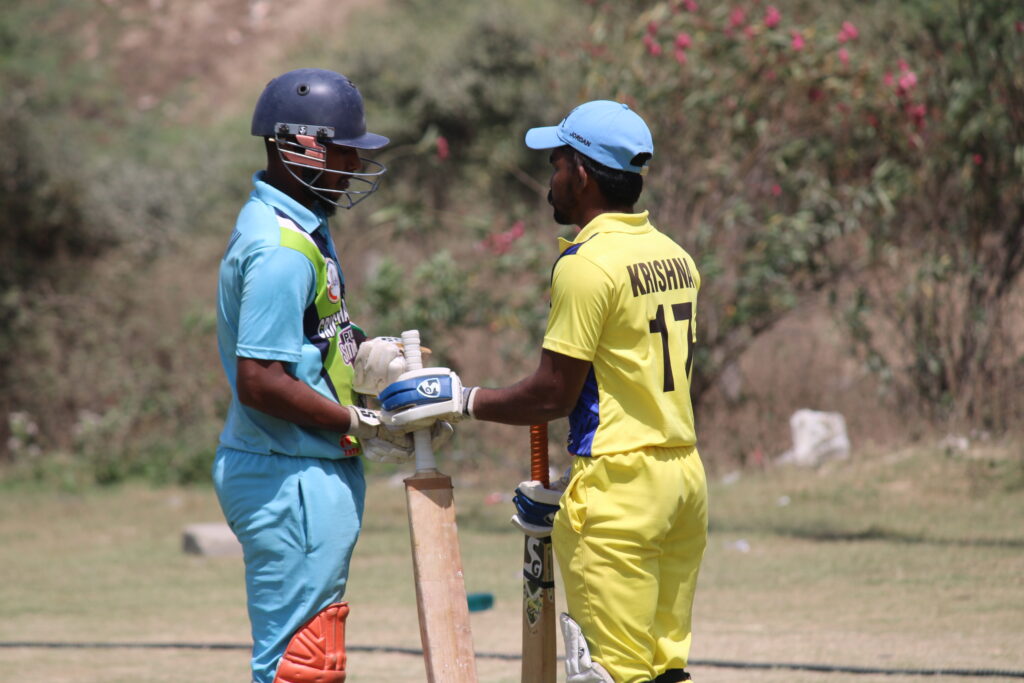
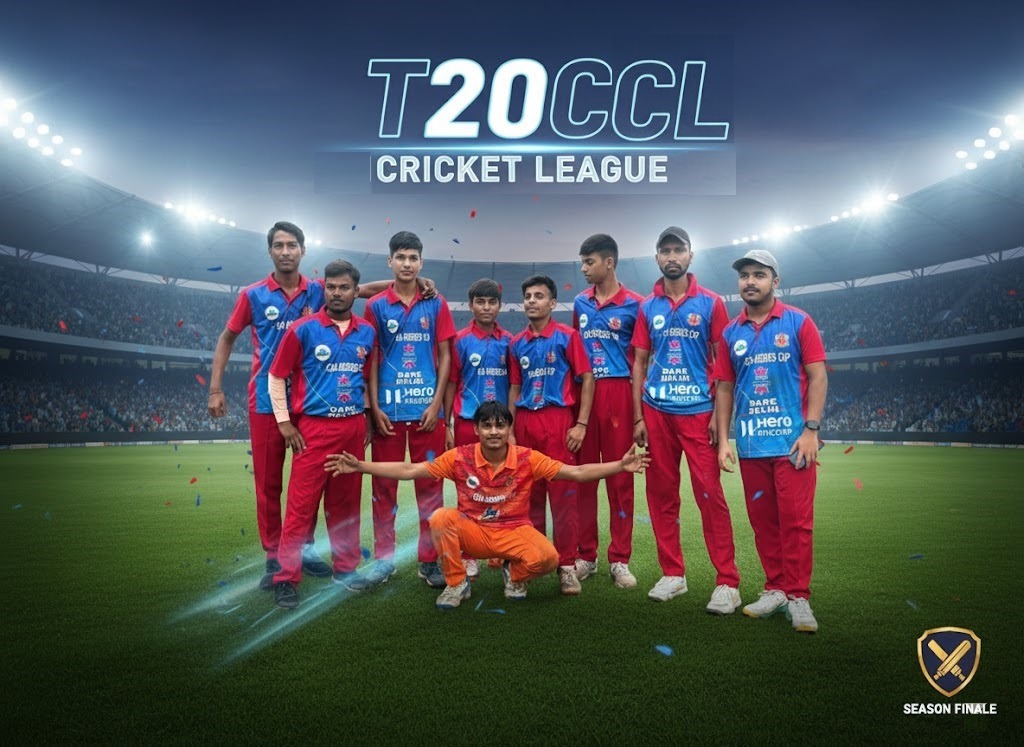
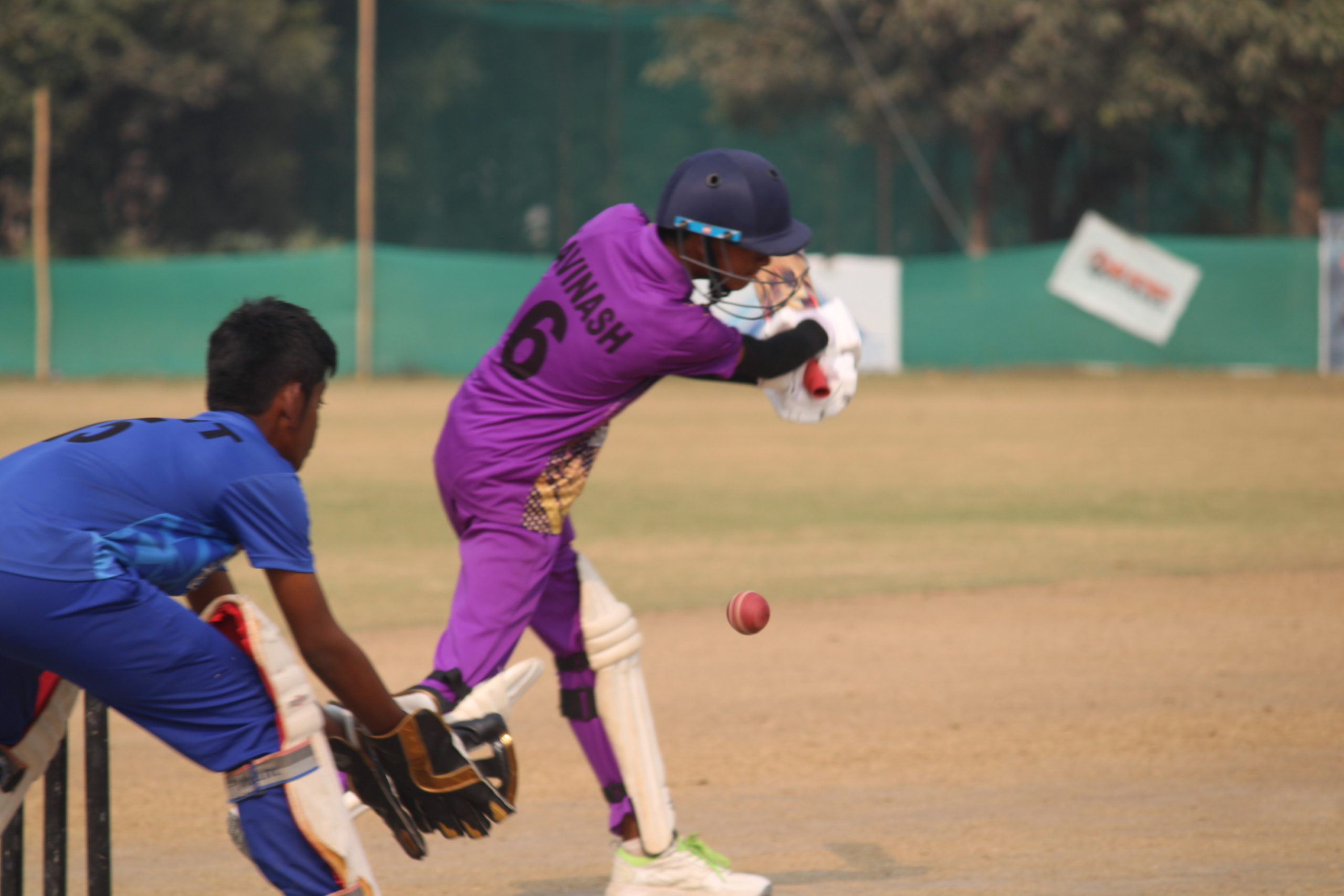
🔹 Consistency
Selectors prefer players who perform well regularly, not just in one or two matches. Consistent performance shows reliability and the ability to handle pressure over time.
🔹 Strong Basics
A strong foundation is essential. This includes proper batting technique, correct bowling action, and solid fielding skills. Players with clear fundamentals are easier to train and improve further.
🔹 Fitness
Modern cricket demands high fitness levels. Players need strength, stamina, and agility to perform well throughout the match and avoid injuries.
🔹 Attitude
A positive attitude, discipline, and teamwork are key qualities selectors look for. Players who respect the game, follow instructions, and work well with teammates stand out.
Selection Flow For
Cricket