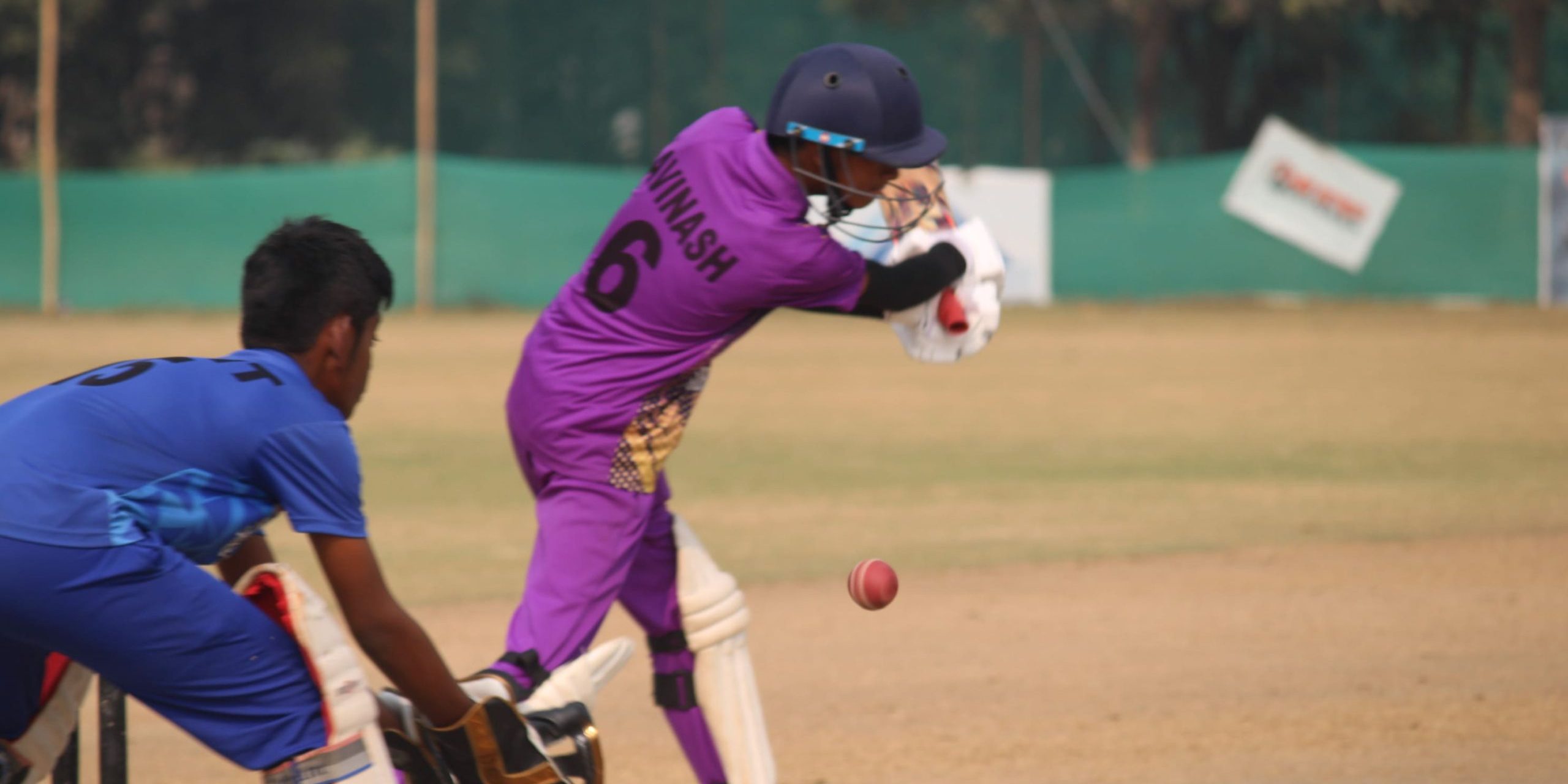
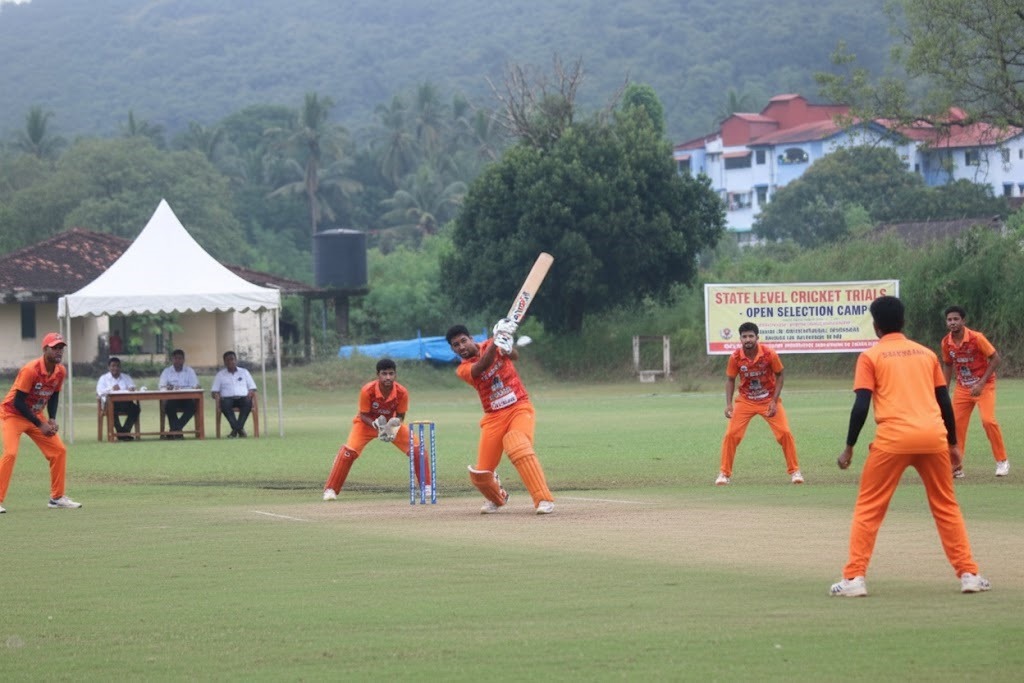
Playing state-level cricket in India is one of the biggest milestones in a cricketer’s journey. From state teams come Ranji Trophy players, IPL stars, India A representatives, and future Team India members. Every serious cricketer eventually searches for state-level cricket trials in India.
If you are preparing through leagues like T20CCL, club cricket, academies, or corporate cricket, this guide will help you understand how state-level trials work, eligibility, selection process, preparation strategy, and how T20CCL fits into this pathway.
📌 What Are State-Level Cricket Trials?
State-level cricket trials are selection processes conducted by state cricket associations (affiliated with BCCI) to select players for:
Under-16 / Under-19 teams
Under-23 / Under-25 teams
Senior state teams
Ranji Trophy, Vijay Hazare & Syed Mushtaq Ali squads
These trials identify top-performing players from districts, clubs, leagues, and tournaments.
⭐ Why State-Level Cricket Trials Are So Important
State cricket is the gateway to professional Indian cricket.
✔ Entry to Ranji Trophy & domestic tournaments
✔ Recognition by BCCI selectors
✔ Pathway to IPL & India A
✔ Career stability & respect
✔ Long-term professional growth
📌 Almost every Indian international cricketer came through state-level cricket.
🏟️ Structure of State-Level Cricket in India
Indian domestic cricket follows a clear hierarchy:
1️⃣ School / Academy Cricket
2️⃣ Club & League Cricket
3️⃣ District-Level Cricket
4️⃣ State-Level Cricket
5️⃣ Ranji Trophy / Domestic Tournaments
6️⃣ India A / IPL / National Team
👉 T20CCL fits between steps 2 & 3, providing match exposure and visibility.
🧢 Eligibility for State-Level Cricket Trials
✔ Age Criteria
- Under-16, Under-19, Under-23, Under-25
- Senior (Open category – performance based)
✔ Who Can Apply?
- District-level players
- Club cricketers
- League performers
- Academy players
- Standout performers from platforms like T20CCL
📌 Performance matters more than background.
📝 How Players Reach State-Level Cricket Trials
Most players do not directly apply for state trials. Selection happens through:
District cricket associations
Club & league performances
Age-group tournaments
Coach & selector recommendations
Outstanding performance in competitive leagues
👉 This is where T20CCL becomes valuable.
🔄 Role of T20CCL in the State-Level Cricket Pathway
T20CCL provides players with:
Competitive match exposure
Pressure situations
Performance data
Visibility among cricket circles
Match temperament development
Many players use T20CCL as a stepping stone toward district and state-level cricket.
🏏 Trial & Selection Format at State Level
State-level selection usually includes:
Net sessions
Practice matches
Fitness tests
Fielding assessments
Mental & tactical evaluation
Selectors look for consistency, discipline, and match awareness.
🧠 What Selectors Look For at State-Level Trials
🏏 Batters
Solid technique
Ability to bat long
Shot selection under pressure
🎯 Bowlers
Line & length control
Match consistency
Fitness for long spells
🧤 Fielders
Agility & throwing accuracy
Awareness & communication
🧠 Mental Strength
Calm temperament
Coachability
Discipline
🏋️ How to Prepare for State-Level Cricket Trials
🔹 Skill Preparation
Strong basics
Red-ball & white-ball readiness
Match practice over net practice
🔹 Fitness
Endurance
Injury prevention
Recovery routines
🔹 Mental Preparation
Confidence without arrogance
Patience
Match awareness
📌 Players with match exposure from T20CCL often perform better.
❌ Common Mistakes Players Make
🚫 Chasing quick fame
🚫 Ignoring fitness
🚫 Playing flashy shots
🚫 Panicking at trials
🚫 Depending on “contacts”
Cricket rewards performance, not shortcuts.
📈 What Happens After Selection?
Selected players may get:
State team contracts
Entry into Ranji Trophy squads
Exposure to national selectors
Better league & sponsorship opportunities
📌 One good state season can transform a career